TALK
Say it back, a bit longer
When your toddler speaks, the NHS suggests replying with a sentence a few words longer than theirs, and saying it correctly without criticising.
What to expect by age doodletoddler
Start
WHAT THE GUIDANCE SAYS
Toddlers learn to talk by talking with us.

NHS guidance comes back to everyday chat: naming things, repeating words back, singing and playing together. UK screen time advice published in 2026 asks for very little screen time before age five.
CHAT BACKevery day
See what to expectKeep in mind
THE SHORT ANSWER
Talking grows out of everyday moments.
The guidance is about how we join in.
TALK
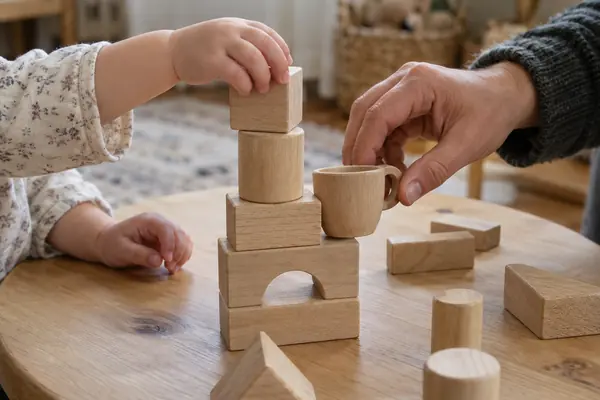
When your toddler speaks, the NHS suggests replying with a sentence a few words longer than theirs, and saying it correctly without criticising.
What to expect by agePLAY
Set aside play time each day and turn off the TV and radio. Background noise makes it harder for small children to listen.
Four habitsSCREENS
UK guidance says avoid screens for under-2s, apart from shared moments like video calls, and aim for no more than an hour a day from 2 to 5.
See the numbersGeneral information only, not professional safety advice. If someone is in immediate danger, call the emergency services.
WHAT TO EXPECT
Pick an age to see what NHS speech and language guidance describes as typical. The bar shows roughly how far along the journey to sentences that stage is.
Children develop at different rates. If you are worried, talk to your health visitor or GP. This is general information, not medical advice.
TWO NUMBERS WORTH KNOWING
One figure on how fast young brains grow,
one on how many children find talking hard.
90%
Brain growth before age five
The UK government's Best Start in Life screen time guidance says 90% of brain growth happens before the age of five, and that screen time should not replace play, sleep or time with parents.
BRAIN GROWTH · BEST START IN LIFE
1.9million
UK children struggling with talking
The charity Speech and Language UK says 1.9 million children in the UK are struggling with talking and understanding words.
TALKING · SPEECH AND LANGUAGE UK
Best Start in Life advises no screen time for under-2s except shared activities like video calls with family, and aiming for 1 hour a day or less for 2 to 5 year olds.
FOUR HABITS TO TRY
None of these needs special toys or apps. They come from NHS advice on helping toddlers learn to talk and UK screen time guidance.
Step 1
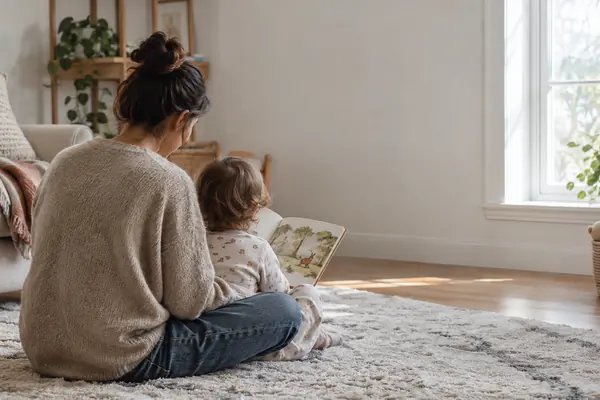
Chat about shopping, cooking and tidying. Toddlers like to help, and naming what you do gives them new words.
Step 2
If they say "ball", try "a big ball". Say mistaken words back the right way, without telling them off.
Step 3
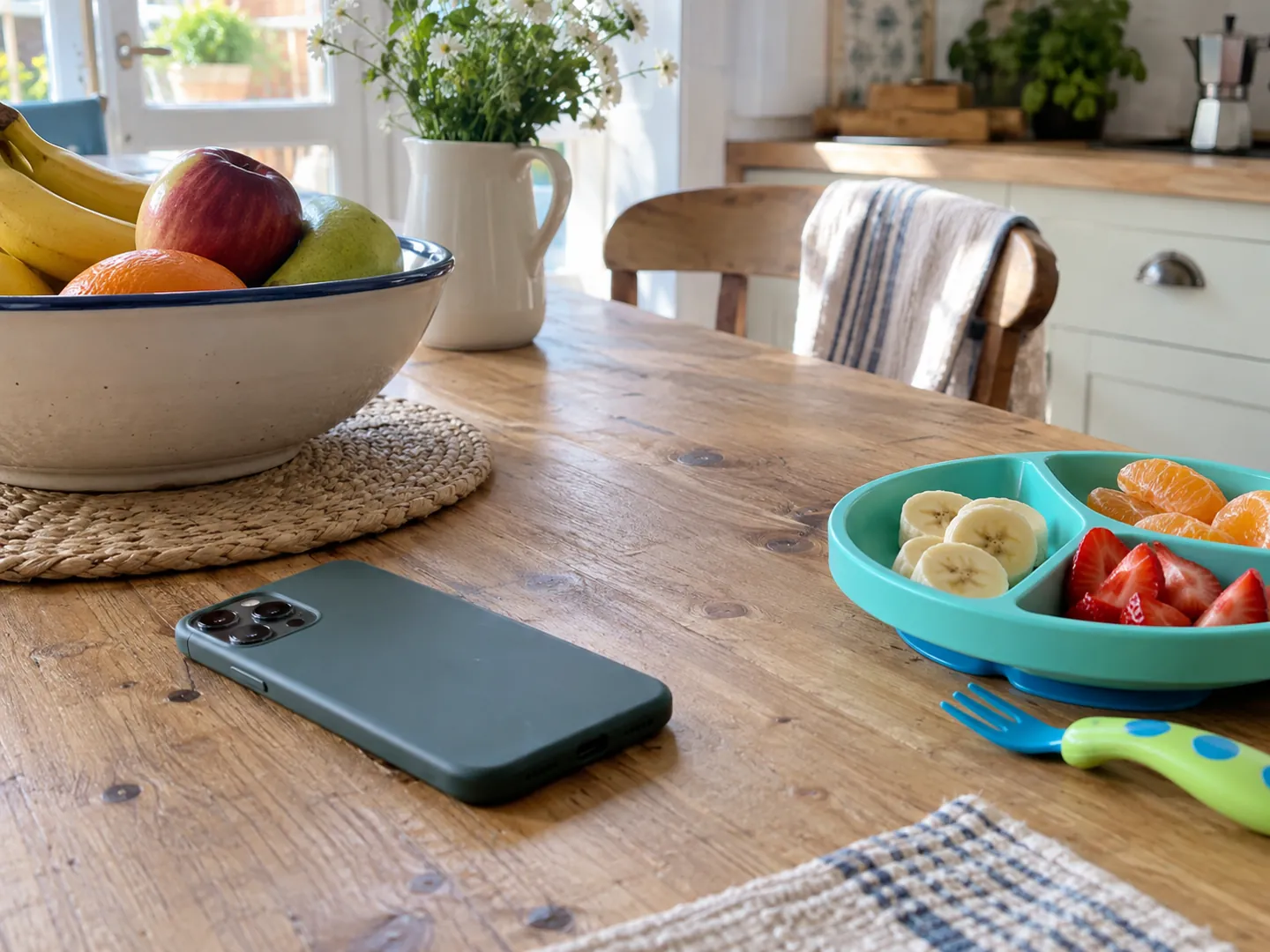
Ask "apple or banana?" Offering two named options builds vocabulary and gives them a reason to answer.
Step 4
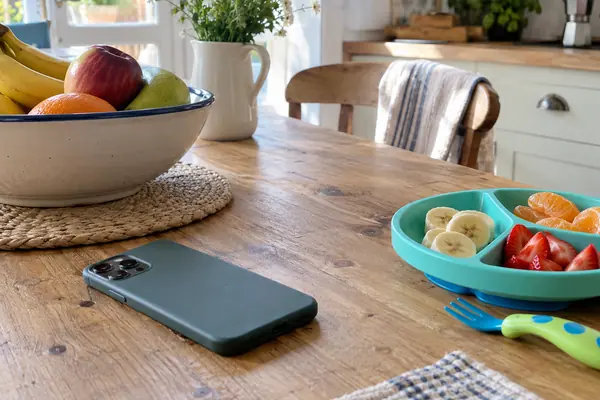
Switch off background TV and keep phones away at meals and in bedrooms, so there is room to chat.
SCREENS AND SMALL CHILDREN
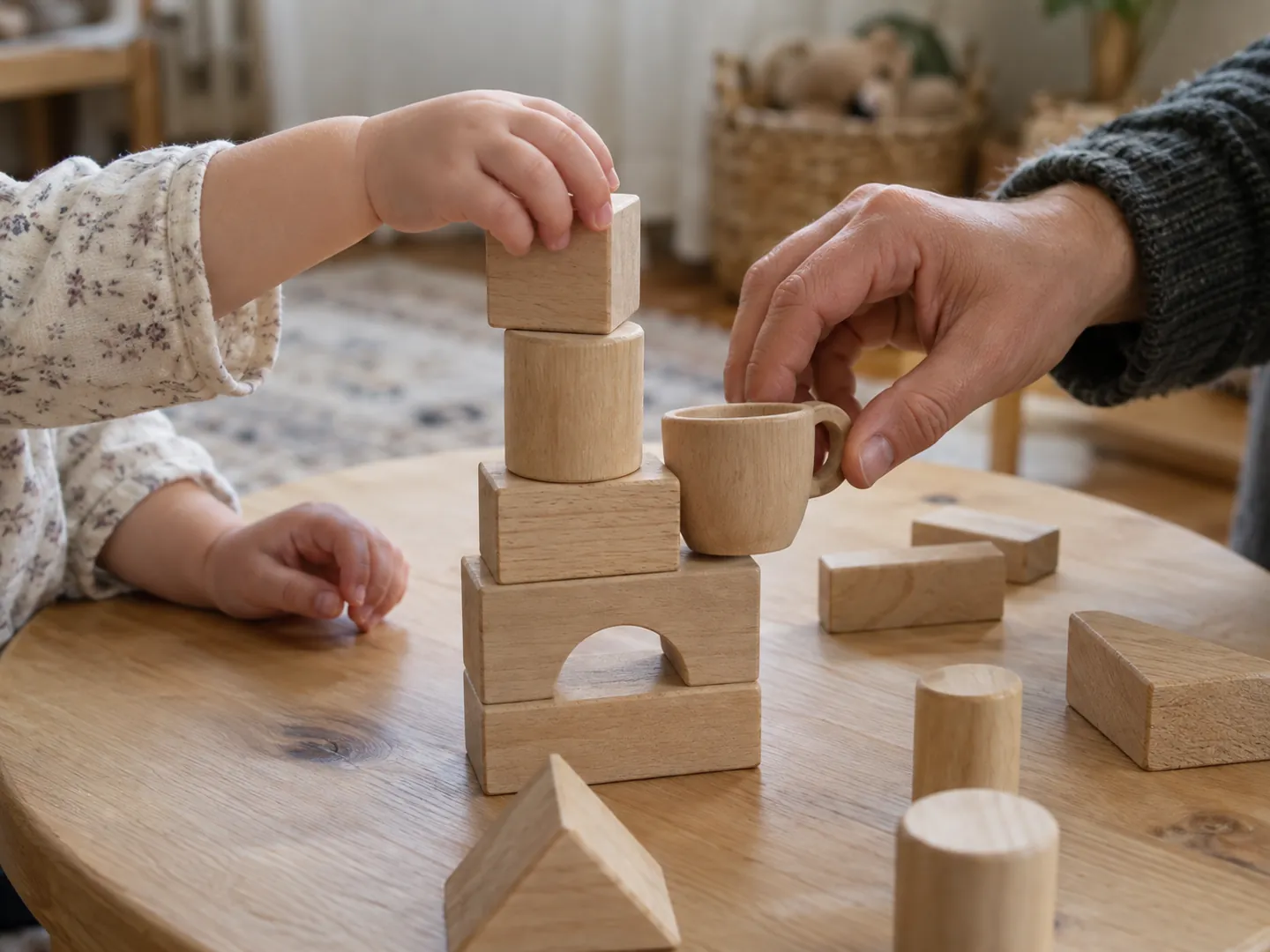
The 2026 guidance suggests choosing slow, predictable programmes over fast, social-media-style videos, watching and talking about them together, and avoiding screens for about an hour before bed.
It also notes that children copy adults' phone habits, and that long spells on a phone can make it harder to notice what a child needs. Children with special educational needs may need a more tailored approach.
Questions
NHS Scotland's Let's Talk guidance describes around 50 words at two, with children starting to join two words together. Children develop at different rates, so this is a guide, not a test.
UK Best Start in Life guidance says to avoid screen time for under-2s, apart from shared moments like video calls with family, and to aim for 1 hour a day or less for children aged 2 to 5.
The NHS says it is hard to talk with a dummy in the mouth. It suggests offering one only at sleep time and aiming to stop completely by 12 months.
The NHS says growing up with more than one language can benefit a child's learning and supports their English. Speak whichever language feels comfortable.
Talk to your GP or health visitor, who can refer your child to speech and language therapy. The NHS says you can also refer your child to a speech and language therapist yourself.
Destination
ABOUT THIS NAME
doodletoddler.com is part of the DoodleSale portfolio. It isn't in an auction right now, but you can ask about leasing it.